Building the platform that runs US oil & gas field operations
From a Series A startup to powering 30% of all US oil and gas — replacing software that had been entrenched in the industry for three decades.
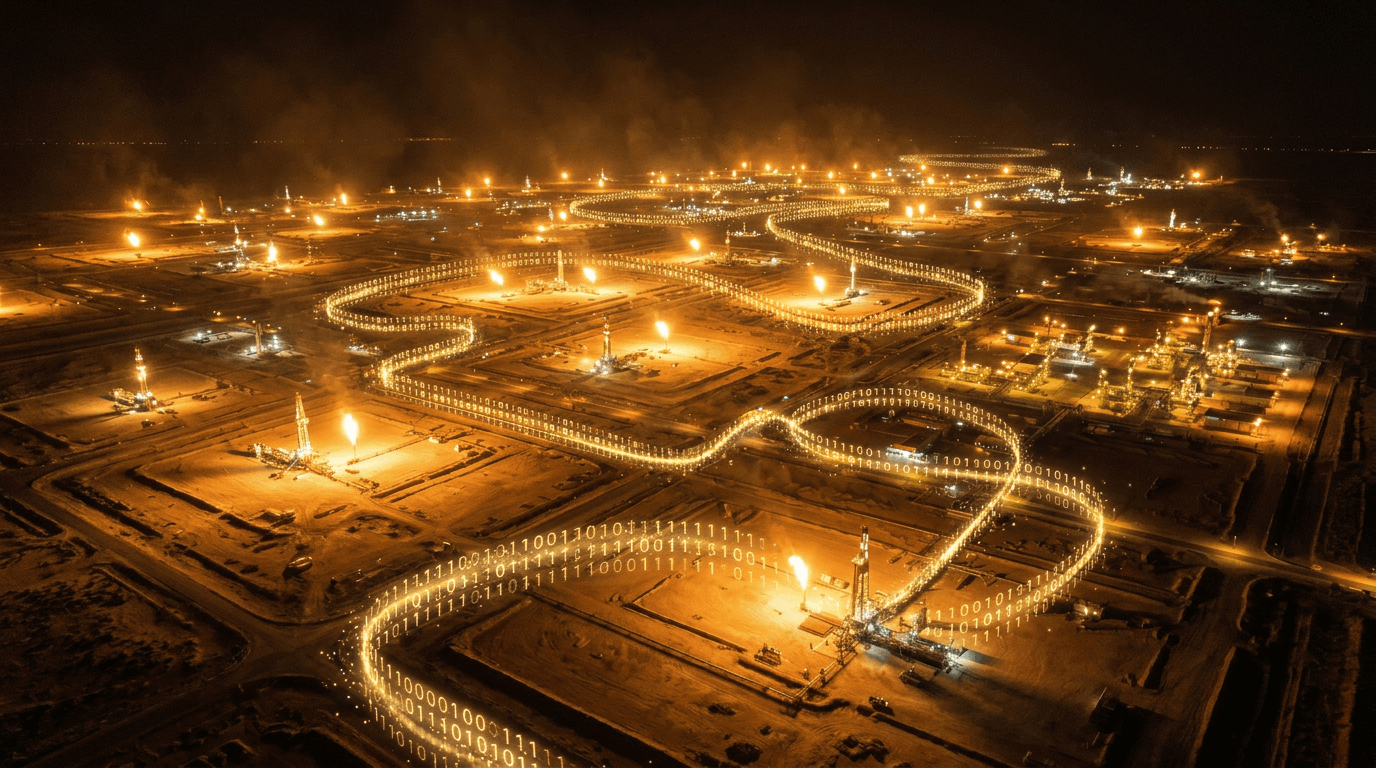
The context
When I joined Seven Lakes Technologies in 2015, the oil and gas industry was running its field operations on software that was, in many cases, 30 years old. Desktop-only. Built for a world of landlines and paper forms. The field technicians who actually used it — the people doing inspections, managing well sites, coordinating equipment — were working around it as much as with it.
The opportunity was obvious. The execution was not. Oil and gas is a conservative industry with deeply entrenched vendor relationships, compliance requirements that don't bend, and field workers who are justifiably skeptical of software that promises to make their lives easier.
I joined initially on the business development side — managing implementations at large accounts while being part of the core team that raised $20M in Series A funding. What I saw in those early implementations shaped everything I did as a PM: the gap between what the software did and what the field actually needed was enormous.
Building the platform
As Product Manager, I led the buildout of what became the only mobile-first core field operations platform in the industry. Mobile-first wasn't just a design choice — it was a statement about who the platform was actually for. Field workers aren't sitting at desks. They're at well sites, in vehicles, in areas with spotty connectivity. The platform had to work in those conditions or it wasn't going to be used.
The most significant early win was the sale to ExxonMobil — a company I had worked at myself, which gave me an unusually clear picture of both the organizational dynamics and the operational requirements. Displacing the software ExxonMobil had been running on for decades wasn't just a commercial milestone. It was proof that the platform was genuinely better — not just newer.
Scaling after acquisition
When W Energy Software acquired Seven Lakes in 2022, I became Director of Product Management. The challenge shifted from building to scaling — how do you maintain the product quality and user trust that got you to this point, while growing to serve a much larger and more diverse customer base?
At 30% of US oil and gas throughput, the platform had become critical infrastructure. Decisions that had previously been about features and UX were now about reliability, data integrity, and regulatory compliance at a scale that would have seemed impossible when I first joined.
What this work taught me
A decade on this platform gave me something most product people don't get: the chance to see a product through its full arc — from startup pitch to industry standard. I saw what it actually takes to displace entrenched software (hint: it's not about features), how field users adopt technology differently from office workers, and what “mission-critical” means when the stakes are measured in barrels per day.
“The software that wins in industrial markets is the software that disappears — the one workers use without thinking about it.”
Skills demonstrated
Industries
Related service
This background directly informs my AI consulting work in oil, gas, and industrial operations.
AI ConsultingWorking in oil & gas or field operations? I know this domain better than most.
Get in touchWorking in oil & gas or field operations?
I know this domain better than most. Let's talk about what you're building.
Get in touch